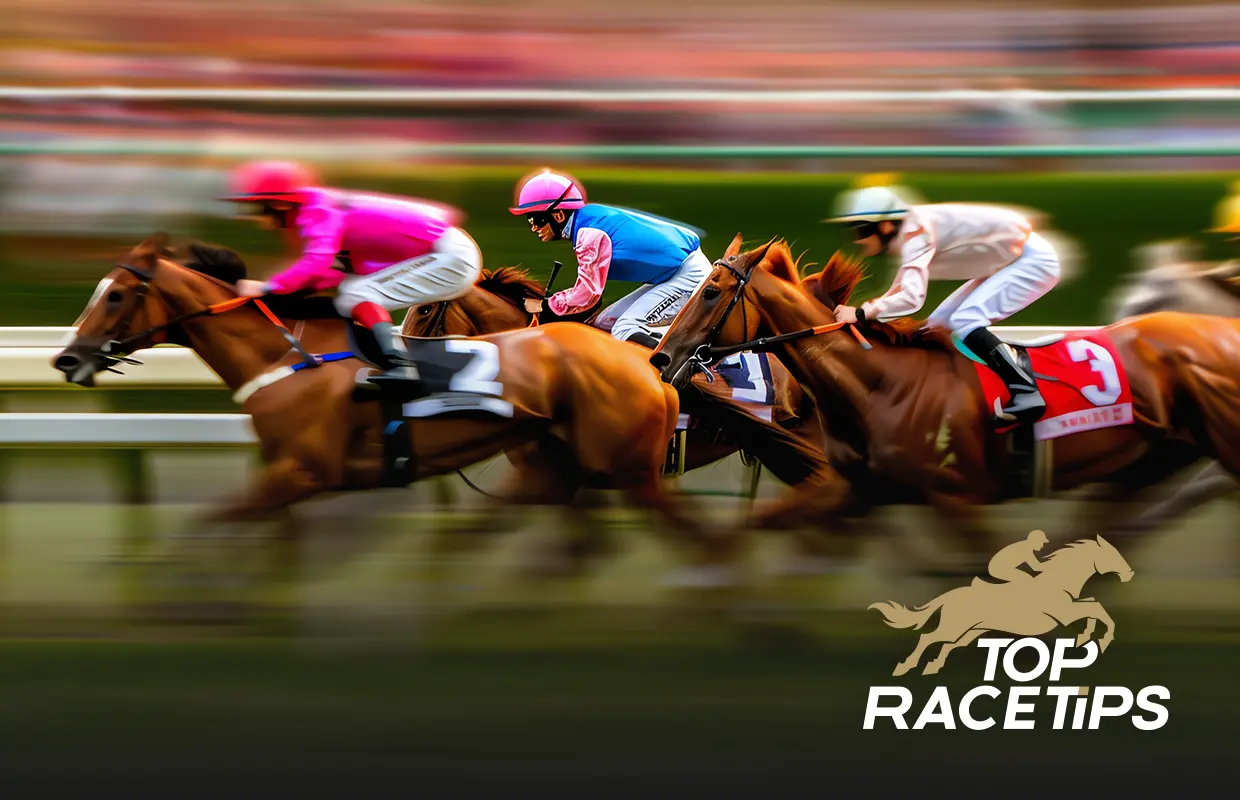
Top Betting Strategies for First-Time Kentucky Derby Bettors

The Kentucky Derby is one of the great spectacles in sports, drawing in fans from all corners of the globe. The first time you place a bet, it is an experience unlike any other; at the same time, it can be intimidating too, just not knowing how to find your way around the betting landscape. Here is a simple guide to top betting strategies for the first-time Kentucky Derby, increasing your confidence while getting a bit of a head start.

Start with Simple Bets: Win, Place, and Show

You're better off sticking to the simplest forms of bets as a newcomer; all win, place, and show bets fall under this category. A win bet means that you are betting your horse will finish first. A place bet simply means that your horse can finish first or second, while a show bet allows the horse to finish first, second, or third for a payout. These are easy bets to understand, and they create a little more security when entering the world of horse racing betting.

Study the Odds and Betting Lines

Understanding how to read the odds is crucial for any bettor. For one, in horse racing, it means how a horse will perform because of the winning odds and how much a successful bet can put in your pockets. For example, a horse has odds of 5/1: that means that for every $1, you win $5. As a rule, longshot horses have much higher odds and thus, much bigger payouts, but they also carry much higher risks.

Research on the Horses, Jockeys, and Track Conditions

Don't just choose a horse based on its name or color; conduct some study! Consider each horse's previous performance, the jockey's track record, and the horse's suitability for the current track conditions. Horses that have excelled in muddy conditions may have an advantage if the track is wet on race day. Sites like the Kentucky Derby official page provide precise statistics that can assist you make intelligent bets.

Consider Exotic Bets
Once you're comfortable with the fundamentals, consider experimenting with exotic bets such as the exacta (picking the first two horses in the precise sequence) or the trifecta. While these bets are riskier, they have the potential for significantly higher returns.

Manage your bankroll
It’s easy to become caught up in the excitement, so always set a budget before placing any bets. Decide how much danger you're willing to take and keep to it. Avoid chasing losses, and remember that betting on the Derby is supposed to be enjoyable!

Conclusion: Are you ready to place your bet?

With these ideas in your pocket, you'll be ready to enjoy the Kentucky Derby as both a fan and a bettor. Remember, the trick is to be informed, manage your bets carefully, and, above all, have fun. Whether you place a straightforward win bet or take a chance on an exotic wager, the Kentucky Derby provides nonstop excitement. 

Are you ready to put your skills to the test? Place your first wager today and experience the thrill of the most prestigious horse racing in America!

FAQS

  1. What is the safest bet for a beginner?

The simplest and safest bet that can be placed by beginners is the "Win, Place, or Show bet."

  1. What are exotic bets?

An exotic bet includes exacta and trifecta which involves betting on multiple horses, and hence has a higher payout; however, such bets have higher risk involved.

  1. How to read horse racing odds?

Horse racing odds can be understood as the probability of that horse winning the race. For example, the 5/1 odds mean you win $5 for each bet of $1 if that horse wins.

  1. What factors should influence your choice of a horse?

To understand the past performances of the horse, jockey, trainer, and track conditions must be analyzed.

  1. How much should I bet as a beginner?

Bet a little bit at the start and only lose what you can afford to lose. Budget and adherence to sticking with it is important.

Common Mistakes in Horse Betting

Horse racing is an exciting sport that combines speed, strategy, and a bit of chance. It provides bettors with the opportunity to transform knowledge into profits, but even experienced bettors can make mistakes that risk their performance. Whether you're new to horse betting or an experienced player, avoiding common errors is critical to improving your odds of winning.

In this blog, we will look at the common mistakes in horse betting and give tips on how to avoid them. You can significantly boost your performance by optimizing your strategy and making more thoughtful decisions.

Avoid Common Mistakes in Horse Betting

  1. Betting Without Research

A common mistake in horse betting is betting purely on luck or belief without conducting appropriate research. Many newcomers miss important aspects including race statistics, jockey performance, and track circumstances, all of which can have a big impact on the outcome.

How to Avoid This Mistake: Take the time to research the racing form to determine the horse's historical performance and ability for the track conditions. Examine recent results, track surfaces, and any trends in a horse's performance. Additionally, look at the track records of riders and trainers; those who have had regular success can provide vital insight into the race's outcome. A little research can significantly improve your betting strategy.

  1. Ignoring the value in odds

Another typical mistake is betting on the favorite without considering the value of the odds. Favorites win roughly 30-35% of the time; therefore there is a large risk of losing money if you continually back them without considering prospective rewards.

How to Avoid This Mistake:

  1. Betting Emotionally

Another common mistake is betting based on emotion, such as backing a favorite horse or jockey without conducting proper research. Emotional betting affects judgment and frequently leads to poor decision-making, resulting in avoidable losses.


How to Avoid This Mistake: Maintain a methodical, research-driven approach to your bets. Avoid choosing horses for sentimental reasons, such as a favorite name or number. Instead, focus on statistics and historical performance. To make better informed and reasonable decisions, think of horse betting as a calculated investment rather than a casual enjoyment.

  1. Chasing Losses

A common mistake that bettors make is attempting to recover losses by putting larger or more frequent bets after a losing streak. This "chasing losses" mentality frequently results in even larger losses, as emotions and impulsive choices overcome logic.


How to Avoid This Mistake: Set a strict betting budget and stick to it, regardless of short-term losses. Accept that losing is a normal part of the betting process, and avoid making impulsive actions to recover quickly. Instead of aiming to recoup losses quickly, focus on long-term strategy and steady success.

  1. Overlooking track conditions

Track conditions, such as whether the surface is firm, wet or muddy, can have an impact on a horse's performance. Even experienced bettors sometimes make the mistake of overlooking this important fact.


How to Avoid This Mistake: Before placing a bet, always check the track conditions. Some horses perform better on certain surfaces; therefore investigating their previous performance in similar settings can provide useful information. Stay adaptable and adjust your betting approach if there are any unexpected developments on the track.

  1. Overloading Bets on a Single Race

Betting on many horses in a single race may appear to boost your odds, but it often reduces possible gains and can quickly lead to significant losses. This scattershot technique could damage your overall betting strategy.


How to Avoid This Mistake: Instead of spreading your bankroll thin, make a few well-researched bets. Choose your horses carefully, based on good analysis rather than covering all possible possibilities. If you want to try exotic bets like exactas or trifectas, utilize them deliberately rather than impulsively. Increasing your bets among races can result in a more balanced and profitable long-term strategy.

  1. Neglecting bankroll management

One of the most common betting mistakes is poor bankroll management. Without a clear and disciplined method, it is simple to waste and quickly exhaust your funds, leading to irresponsible betting and further losses.

How To Avoid This Mistake: Set a strict betting limit for each race or day, and adhere to it no matter what happens. A good rule of thumb is to avoid betting more than 1-2% of your total bankroll on every single bet, which will help you reduce risk and protect your money. Keep a comprehensive record of your wins and losses to monitor your progress and alter your strategy over time. Responsible money management is critical for long-term betting success.

  1. Not Shopping for Odds

You risk missing out on payouts when you don't compare odds. Many bettors miss out on a better value just because they do not look at other options, leaving them with lower returns on successful bets.

How To Avoid This Mistake:

  1. Ignoring Post Position

The starting gate position, or post position, can play a vital impact in a horse's performance, especially in shorter races or on tracks with tight corners. Ignoring this issue can result in missed opportunities when placing bets.


How To Avoid This Mistake:

  1. Failing to learn from mistakes

One of the most common errors in betting is forgetting to consider previous judgments. Many bettors make the same mistakes without taking the time to research their results, preventing them from improving their technique over time.

To avoid this, keep a betting notebook where you may record your bets, decisions, and results. Regularly reviewing your failures and prevails enables you to identify patterns and improve your approach. Furthermore, obtaining assistance from experienced bettors or consulting online resources can provide significant insights to help you adjust your betting strategy and avoid making costly mistakes.

Conclusion 

Horse betting is an exciting art of strategy, knowledge, and calculated risks, from which by avoiding common mistakes you can increase your chances of success and a better experience. 

Smart betting has nothing to do with luck; it has a lot to do with research, discipline, and learning from the past. So before making another wager, stop and ask yourself why you are asking this of yourself. The horses are ready, the track is ready, and with the right strategy, so are you. 

Good luck and happy betting.

FAQS:

1. Why is setting a betting limit important?

Setting a limit prevents you from overspending, helps you manage your finances, and ensures that betting remains a fun and controlled activity.

2. How much of my bankroll should I bet on a single wager?

It’s recommended to bet no more than 1-2% of your total bankroll on a single wager. This minimizes risk and helps preserve your funds for future bets.

3. What is a bankroll, and how should I calculate it?

A bankroll is the total amount of money you’ve allocated for betting. It should be an amount you can afford to lose without impacting your finances.

4. How does tracking my bets help me improve?

By keeping a betting journal, you can analyze your wins and losses, identify patterns, and refine your strategies over time for better results.

5. Can bankroll management guarantee profits in betting?

While it doesn’t guarantee profits, proper bankroll management helps minimize losses and increases your chances of long-term success in betting.

×