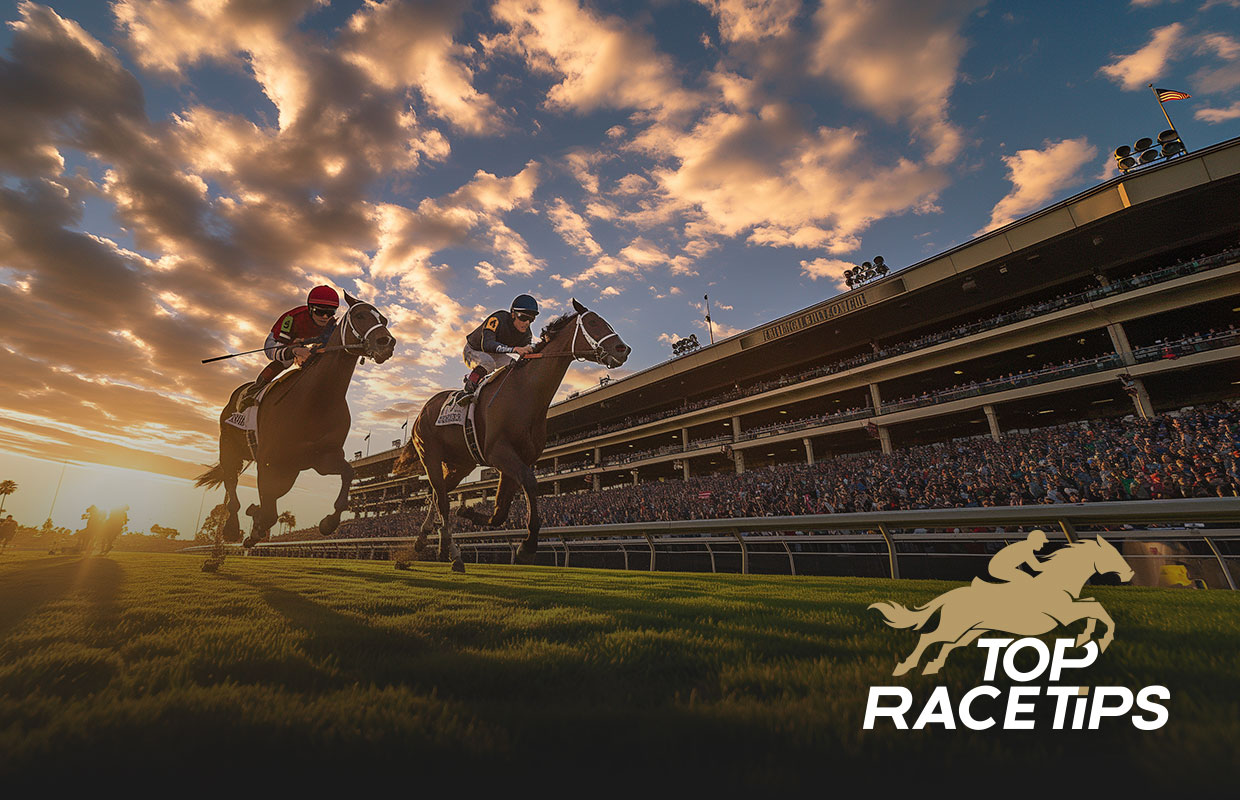
Ortiz Jr. Secures His First Churchill Downs Riding Crown

At​‍​‌‍​‍‌ Irad Ortiz Jr., the new leading rider at Churchill Downs fall meet, a new champion was proclaimed in the fall season at Kentucky's Churchill Downs. With 46 wins over the 26-day Fall Meet, Ortiz Jr. was the jockey who went home with the most wins at this meeting since 2008.

Ortiz Jr. secures his first Churchill Downs riding crown journey after his relocation of racing from New York to Kentucky. The change, however, has resulted in him having to ride under different trainers and for different owners. When asked about his achievement, Ortiz Jr. responded, "I'm very thankful to everyone who has helped us get to where we ‍​‌‍​‍‌are."

Standout​‍​‌‍​‍‌ Wins at the Fall Meet

During the Fall Meet, Ortiz Jr. was able to win a handful of major races that pushed him to the lead. Among those important wins were:

On two separate days, Nov. 12 and the final "Stars of Tomorrow II" card. Ortiz Jr. racked up five wins each day. Those double-five-win days were a great indication of his overwhelming power during this meet.

His brother, Jose Ortiz, was the runner-up in the jockey standings with 37 wins. Jockeys Tyler Gaffalione and Luis Saez, who were also to be considered for the leading position, ended up in a tie for third place with 28 wins ‍​‌‍​‍‌each.

Team​‍​‌‍​‍‌ behind the Success: Trainer & Owner Highlights

Ortiz Jr. was basically the main instrument of his success with trainer Brad Cox. Brad Cox won his 10th leading trainer title at Churchill Downs, his first Fall Meet training crown since 2017. 

It was a fantastic day for Cox as he had five winners out of his eight starters, a feat that very few trainers have historically been able to accomplish at this track. 

Ortiz Jr. and Cox were the team that most often achieved the above-mentioned stakes races wins, combining their forces of rider and trainer. 

Besides owners, Godolphin was the leading owner for the meet and therefore took home the most prestigious award, their fifth such title at Churchill Downs. Their success was crowned by a victory of Bella Ballerina in the Golden Rod Stakes (Grade II), besides many allowance ‍​‌‍​‍‌wins.

Why​‍​‌‍​‍‌ This Moment Matters

Ortiz Jr.'s first Churchill Downs win is a powerful indication that he is not only the top jockey of New York but that he has become a force in Kentucky as well. With 46 wins in just one meet, he has equalled the scale of the past leading riders and demonstrated that he can perform under pressure.

In addition, his wins on big-name horses in graded stakes raise the level of his record. As a result, Further Ado and Alpine Princess, for example, may even become hot field runners in the major races of the future.

This might be the Ortiz Jr. era to fan and industry watchers, where he becomes a regular on Kentucky racing not only during their Fall Meet but possibly in the high-stakes meets ahead, including spring events and ​‍​‌‍​‍‌beyond.

FAQS

‍​‌‍​How did Ortiz Jr. manage to win his first Churchill Downs riding crown?

During the Fall Meet, he achieved 46 wins, which is the highest number of wins since 2008, and he demonstrated great skill and consistency throughout the season.

What major races did Ortiz Jr. win at the Fall Meet?

One of his standout victories was winning the Kentucky Jockey Club Stakes, Falls City Stakes, Fern Creek Stakes, and Rags to Riches Stakes.

Who played a key role in Ortiz Jr.'s success?

Ortiz Jr. was Brad Cox's favourite jockey as they teamed up for many wins, and Godolphin, being the top owner during the meet, contributed to his overall ‍​‌‍​‍‌performance.

Jockeys for Kentucky Derby: Meet the Riders Who Make History

The​‍​‌‍​‍‌ Kentucky Derby is considered to be one of the top races in the world of horse racing. It is held annually at Churchill Downs in Louisville, Kentucky. Apart from live audiences of thousands, the event is watched on TV by millions of viewers from all over the world. The riders on horses that compete in the Kentucky Derby are extremely skilled and proficient. It is often claimed that winning the Derby is what every jockey dreams of.

Why? There are many reasons. First, the Kentucky Derby is the biggest and most talked-about horse race in the entire world. Secondly, the race is very fast and very tough. The jockey has to steer the horse the 1¼ miles long way with up to 19 other horses running alongside. The crowd is noisy, the pressure is massive, and if you make one mistake, you can lose the race. There is, however, also a big money prize. The winning jockey will receive approximately 10% of the total purse, which this year is worth $310,000 out of a $3.1 million winner’s share.

At the 151st Kentucky Derby, the lineup includes both past victors and new riders. Some jockeys have already won the Derby, while others are dreaming of tasting success for the first time in their careers. Let's find out the top jockeys who are riding in this year's Kentucky Derby and why they are the ‍​‌‍​‍‌best.

Junior​‍​‌‍​‍‌ Alvarado

Riding the horse Sovereignty, Junior Alvarado comes from Venezuela. This is his sixth time competing in the Kentucky Derby. The best result of his has been fourth place in 2016. He is one of the major jockeys in New York and Florida and works with the famous trainer Bill Mott. Junior got injured and missed the race once, but now he is coming back and is full of energy for the Derby again.

Javier Castellano

Another jockey from Venezuela is Javier Castellano. He is on the saddle of Owen Almighty. This year, among all riders, he has the most Derby experience. He has been on the Derby 16 times. In 2023, he finally made it to the top and won the Kentucky Derby when he was riding Mage. Together with the Racing Hall of Fame, he has achieved a lot of other big wins as well. Some of the fans say he is one of the strongest riders in the world.

Manny Franco

Manny Franco comes from Puerto Rico, and his horse is called East Avenue. He has only been in the Kentucky Derby five times. His best position was runner-up in 2020. Manny is known for his incredible speed and very aggressive riding style. He rides in the toughest races in New York. Since East Avenue is a very fast horse, Manny may decide to get the lead and start the race early.

Martin Garcia

Martin Garcia is from Mexico and rides Citizen Bull. He is considered one of the best pace jockeys, meaning he is very good at starting fast and at controlling the race. He was riding Citizen Bull when they won a major race at the Breeders’ Cup Juvenile last year. If the early race is fast, Garcia could be one of the leaders ‍​‌‍​‍‌there.

Brian​‍​‌‍​‍‌ Hernandez Jr.

Last year, in 2024, Brian Hernandez Jr. was the winner at the Kentucky Derby with the horse Mystik Dan. This time, he is riding Burnham Square. Brian has been around for a long time, and he has made a good career out of it. If he manages to grab the victory this year, he would be the very few jockeys to accomplish consecutive Derby wins.

Nik Juarez

Nik Juarez is a first-time participant in the Kentucky Derby. The horse he is riding is American Promise. Nik has been part of many competitive races in New York and Florida, and this year, his performance at Oaklawn Park was quite remarkable. American Promise secured the Virginia Derby title and is considered a strong young horse.

Christophe Lemaire

Christophe Lemaire is a Frenchman, and his horse is Admire Daytona. He is widely known because he has won the major racing events in France, England, Australia, and Japan. In Dubai, his horse won a big race to qualify for the Derby.

Julien Leparoux

Julien Leparoux is also a Frenchman, and he is Render Judgment's rider. He has been in the Kentucky Derby 14 times as a jockey. He is a player of patience, and very often he holds back until he sees the opportunity to come forward with his move in the race.

Jareth Loveberry

Jareth Loveberry has only once before in the Derby, and he came in second in 2023. This year, he rides the Chunk of Gold. He was very close to winning the Derby two years ago, so the majority of people think that he might as well be the one to surprise the fans again.

Luan Machado

Luan Machado is from Brazil, and he is Final Gambit's rider. This is his first experience at the Kentucky Derby. He achieved great wins at Turfway Park, and he is the one people talk about when it comes to a strong finish from behind in the last part of the ‍​‌‍​‍‌race.

João​‍​‌‍​‍‌ Moreira

In Hong Kong, people refer to João Moreira as the "Magic Man" just because he is incredibly good. One of the best horses in Japan bred runs under Moreira. Fans cannot wait to see him at the Kentucky Derby, which he is attending for the first time.

Irad Ortiz Jr.

Irad Ortiz Jr. is one of the most illustrious jockeys across the globe. He rides Publisher. Irad has never won the Kentucky Derby, even though he is one of the leading riders in North America.

Jose Ortiz

Jose Ortiz is the brother of Irad. He rides Sandman, a horse that is a strong closer. In the past, Jose has been the runner-up in the Kentucky Derby only once.

Flavien Prat

Flavien Prat is a French-born jockey of Baeza. In 2019, he took the Kentucky Derby crown home. Last year, he also set a record for the number of stakes races and graded stakes wins.

Joseph Ramos

Joseph Ramos is the youngest in the group of jockeys that are competing in this race. This is his debut Derby, and he is riding Flying Mohawk. Ramos recently made his dream of Derby after his return from a motorcycle accident.

Umberto Rispoli

Umberto Rispoli is in Journalism, a horse that has a strong chance. The jockey has been racking up wins in California and would like to extend the good fortune to the Kentucky Derby.

Joel Rosario

Joel Rosario took the 2013 Kentucky Derby trophy and is currently the jockey on Tiztastic. He is most known for his strong finishing Kick and for coming from behind.

Luis Saez

Luis Saez won the Derby in 2019, but his horse was disqualified. This year, he is on Neoequos and makes a wish to achieve victory for real.

Juan Vargas

Juan Vargas is in the race for the Coal Battle. The Peruvian-born jockey started his career in his homeland, then came to the U.S., and after that, he put a lot of work into getting here. This is his first Kentucky Derby​‌‍​‍‌.

Table: Jockeys for Kentucky Derby 2025

JockeyAgeHorseCountryPast Derby RidesBest Finish
Junior Alvarado38SovereigntyVenezuela54th (2016)
Javier Castellano47Owen AlmightyVenezuela161st (2023)
Manny Franco30East AvenuePuerto Rico52nd (2020)
Martin Garcia40Citizen BullMexico43rd (2015)
Brian Hernandez Jr.39Burnham SquareUSA51st (2024)
Nik Juarez31American PromiseUSA0N/A
Christophe Lemaire45Admire DaytonaFrance26th (2023)
Julien Leparoux41Render JudgmentFrance144th (2017)
Jareth Loveberry37Chunk of GoldUSA12nd (2023)
Luan Machado30Final GambitBrazil0N/A
João Moreira41Luxor CafeBrazil0N/A
Irad Ortiz Jr.32PublisherPuerto Rico84th (2019)
Jose Ortiz31SandmanPuerto Rico92nd (2018)
Flavien Prat32BaezaFrance71st (2019)
Joseph Ramos25Flying MohawkPuerto Rico0N/A
Umberto Rispoli36JournalismItaly29th (2024)
Joel Rosario40TiztasticDominican Republic131st (2013)
Luis Saez32NeoequosPanama113rd (2021)
Juan Vargas43Coal BattlePeru0N/A

Conclusion

The jockeys of the Kentucky Derby are not simply riders. They are physically fit, daring, and victorious. A few of them arrive at the Derby with awards and previous wins. At the same time, some are only visiting this place for the very first time. However, they all have one thing in common, which is to become the first ones to record their name in history by winning the Kentucky ‍​‌‍​‍‌Derby.

FAQS

Who​‍​‌‍​‍‌ are the top jockeys in the Kentucky Derby?

Some of the top jockeys include Javier Castellano, Brian Hernandez Jr., and Flavien Prat.

How many riders compete in the Kentucky Derby?

There are up to 20 jockeys who can take part in the Kentucky Derby annually.

Do jockeys win prize money in the Kentucky Derby?

Yes, the winning jockey receives around 10% of the owner's prize money.

Which jockey has recently won the Kentucky Derby?

Brian Hernandez Jr. was the winner of the Kentucky Derby in ‍​‌‍​‍‌2024.

Average Jockey Salary: How Much Do Jockeys Really Make?

The life of a jockey looks exciting: fast horses, loud fans, and the thrill of winning. But, how much do jockeys really earn?

According to the Jockeys’ Guild, the average jockey salary in the USA is between $60,000 and $80,000 annually. So, most riders earn around $5,000 to $6,000 monthly, but their exact income depends on the number of races they are in and their performance.

However, the horse racing industry is a different story. The top jockeys can earn $1 million or even more annually, while the ones at the bottom barely make enough to cover the expenses of their travel and training. The sport is a game of talent and success; a jockey's income increases with the number of races he ‍​‌‍​‍‌wins.

How​‍​‌‍​‍‌ Much Do Jockeys Make Per Race?

Jockeys, unlike many other athletes, are not given a fixed salary. They are paid per race, also known as a “mount fee.” This fee is usually between $100 and $500 for most professional races, and it is paid just for showing up and riding.

On the other hand, the money that is really available is the money that comes with the wins and the places in races. The winning jockeys will receive 5–10% of the purse (the total prize money) that is given to the winners. For small races, that could be anywhere between $500 and $2,000, while for big events like the Kentucky Derby, it can even be as high as 10s of thousands of dollars.

Here’s a quick look:

If this is the case, a jockey who is riding multiple horses in a day can make it so his/her earnings vary from one race to ‍​‌‍​‍‌another.

How​‍​‌‍​‍‌ Are Jockeys Paid?

Jockeys receive money through race commissions and a percentage of the prize. Their revenue is determined by:

What’s more?

Also, those figures don’t incorporate the additional money from sponsoring, bonuses, or media appearances. On the other hand, the cost of their travels, insurance, and a portion of their winnings, which goes to their agent (about 25%) and valet (about 5%), is paid by jockeys ​‍​‌‍​‍‌themselves.

How Much Does the Winning Jockey Make?

Winning is really where the big money is. Usually, jockeys get 5–10% of the winner’s purse, varying with the race. Here are some examples:

Last year, the Kentucky Derby had a total purse of $5 million, and the winning jockey's share was about $310,000 before taxes and fees. So, after the payment to the agent and valet, the money that is left for the jockey is roughly $200,000, a nice reward for a race that lasts just over two ‍​‌‍​‍‌minutes.

Who​‍​‌‍​‍‌ Is the Highest-Paid Jockey?

John Velazquez is the one to top the list of lifetime earnings. He is among the most successful jockeys in the history of the U.S., with career earnings that went beyond $415 million. Within 30 years, Velazquez has won the Kentucky Derbies, Belmont Stakes, and Breeders' Cup races several times.

Pat Day is another legendary name who made more than $298 million in purse money throughout his 30-year career and is the only one to have 8,800 race wins. His approximate net worth is between $20 and $30 million.

These numbers are indicative of what the sport can be in terms of money for the top ‍​‌‍​‍‌riders.

Why​‍​‌‍​‍‌ Are Jockeys Paid Differently?

The biggest factor in the difference in jockey salaries is performance. Jockeys receive money according to their riding frequency and winning frequency. To a great extent, the factors that influence the performance are:

The difference in risk is the other reason for the variance. Jockeys are in quite risky situations every day; for example, when they are on a fast-moving horse at 40 mph and have to maintain their balance. Their physical condition and mental concentration are very important, and if they get injured, their income may ‍​‌‍​‍‌suffer.

Conclusion

The average jockey's salary will be considered low by comparison to the salaries of other pro athletes, but the top performers are in a position to make a breathtaking amount of money. For most of them, it’s not just about the money; it’s about a love of the sport, a bond with the horses, and the feeling of the competition.

While hardly anyone will become a millionaire, the way to the top is there for any talented, hardworking, and determined person. It doesn’t matter if it’s a small local race or the world-famous Kentucky Derby; every ride is worth it toward developing a jockey’s career and gaining ‍​‌‍​‍‌recognition.

FAQS

‍What is the average jockey salary in the U.S.?

The average jockey in the U.S. can make $60,000 to $80,000 in a year. In addition to that, those who are at the top of the games in big races can earn more than $1 million annually as a result of winning and receiving bonuses.

How much do jockeys make per race?

An average race jockey is paid a mount fee, which varies from $100 to $500, and if he wins, he can get 5–10% of the purse. In a race such as the Kentucky Derby, this can be as high as $300,000 or even more.

Why do jockey salaries vary?

Among the factors that influence Jockey pay are experience, performance, and the type of race. In fact, top-tier jockeys earn a higher income since they not only ride better horses but also participate in more high-paying ‍​‌‍​‍‌events.

Who Has Won the Belmont Stakes? A Look Back and the Latest Winner

The Belmont Stakes ranks among the most prestigious horse races in the United States. It is the last race of the Triple Crown, following the Kentucky Derby and the Preakness Stakes. Many famous horses have won the Belmont. In 2025, Sovereignty took home the trophy.  

2025 Belmont Stakes Champion: Sovereignty

On June 7th, 2025, the 157th Belmont Stakes race was run at Saratoga Race Course (as Belmont Park was undergoing renovations). This year, the race was shorter than usual, coming in at 1¼ miles instead of the regular distance of 1½. Sovereignty, with Junior Alvarado aboard, finished first with a time of 2:00.69. In second place was Journalism, and in third place was Baeza, the same results as the Kentucky Derby earlier that year.

This victory made Sovereignty the first colt to win two legs of the Triple Crown (the Derby and the Belmont Stakes) in the same year since the Colt Justify in 2018. 

A Brief History of Belmont Stakes Winners

The Belmont Stakes, which originated in 1867, is the oldest of the three races in the Triple Crown. Throughout its historic life span, the Belmont Stakes has been run at different distances and at different tracks. Since 1905, the races have generally taken place at Belmont Park in New York. The standard distance since 1926 has been 1½ miles (about 2,400 meters). 

Many legendary horses have won the Belmont Stakes, and a few notable winners are:

Fastest Final Times and Records 

Why the Belmont is Special

Many fans refer to the Belmont as “The Test of the Champion.” By the time of Belmont, the best three-year-old horses have matured. The only horse that has the strength and stamina to handle the final leg of the Triple Crown is also the only horse that has the strength and stamina to win three races in five weeks. It is often interpreted as the hardest because it is the longest of the three races and gets run last.

Over the history of the Belmont Stakes, it has denied many horses the Triple Crown by keeping them from winning the final leg. There have been many Derby and Preakness winners who have fallen short in the Belmont.

FAQS 

What horse won the 2025 Belmont Stakes?

Sovereignty won the 2025 Belmont Stakes at the Saratoga Race Course. Junior Alvarado was the jockey, and the colt won the race in 2:00.69.

Why did the Belmont Stakes take place at Saratoga in 2025?   

The Belmont Stakes was held at Saratoga because Belmont Park was under renovation, and is expected to return to the renovated track in 2026.

Who is the fastest winner of the Belmont Stakes?   

Secretariat has the fastest finish time at the Belmont Stakes with a time of 2:24.0, which occurred in 1973. This is still considered one of the greatest efforts in the history of thoroughbred racing. 

Why is the Belmont Stakes referred to as “The Test of the Champion”?  

The Belmont Stakes is referred to as “The Test of the Champion” because it is the longest and hardest of the three races of the Triple Crown series and tests the stamina and strength of the top three-year-old horses.  

Smart Betting Tips: Using Speed Figures the Right Way

Understanding horse racing betting gets easier when you learn to use speed figures correctly. These figures help you identify strong contenders, avoid mistakes, and make better bets. This guide is based on expert research and will walk you through everything you need to know. 

What Are Speed Figures and Why Do They Matter

Speed figures show how fast a horse finished a race by adjusting for track conditions, distance, and other factors. This lets you compare performances fairly across different races. In simple terms, they provide a single number that represents how well a horse ran, regardless of the track or surface.

Speed figures are important because faster horses usually win over slower ones. These numbers give bettors a clear way to see which horses have the best chances of winning. Over the years, many experts have found that looking at speed figures can help predict race outcomes more accurately.

How Speed Figures Are Calculated

Different providers have their ways to calculate speed figures, but the main steps are similar:

1. Raw Time Conversion: First, change the horse’s final time into a basic number.
 
2. Track Adjustments: Next, adjust the time based on how fast or slow the track was that day. This can involve methods like Daily Track Variant.

3. Additional Factors: Some systems, like TimeformUS, also consider pace and weight carried. Others focus just on time and track speed.

4. Final Rating: Finally, create a single speed figure (like 95) that shows how the horse performed under those conditions.

TrackMaster and Equibase use detailed models to factor in daily track speed and sometimes the horse's starting position. Beyer Speed Figures adjust for track speed and class manually, while computer systems like Equibase and Brisnet create ratings automatically.

Spotting Trends: The Heart of Smart betting
To make smart bets, look at recent trends in speed figures. Check a horse’s last three to five races:

By spotting these trends, you can find horses that might do better than expected or those that may have a tough time. 

Understanding Class Ratings for Better Betting

Speed figures show how fast a horse can run, but class ratings show how tough the competition is. Each race gets a class rating that reflects the usual performance level. For example, if a horse has a speed figure of 90 in a race rated 85; it has done better than most others. If the figure is lower than the class rating, the horse might struggle against similar opponents.

When You Bet:

Using Pace and Weight Information

Some speed figure systems, like TimeformUS, adjust for pace and weight. Pace ratings show whether the early part of the race was fast or slow, which can impact the final speed figure. For example, a horse that finishes strong with a high figure in a race that started quickly may do well if it gets a similar pace again. The weight a horse carries also matters; lighter or heavier weights can change how well a horse performs.

Combine Pace Insights with Speed Figures:

Early Pace Horses: If the pace is fast at the start, front-runners may tire out, helping closers with good late speed.

Closing Horses: A horse that closes strongly and has rising speed figures can take advantage when leaders falter.

Weight Matters: Check if the figure was achieved while carrying more or less weight; a strong figure with a heavy load is a good sign.

Smart Betting Tips

Conclusion

Using horse racing betting tips and speed figures can change how you bet. Speed figures show how fast a horse runs, trends reveal if a horse is improving, class ratings tell you how tough the competition is, and pace/weight adjustments fine-tune your choices. When you combine these tools carefully, you can spot horses that are likely to win or provide good value. Remember to consider the race context along with the numbers and bet wisely. With practice, understanding speed figures will become easy, helping you bet smarter and feel more confident.

FAQS

What are speed figures in horse racing?

Speed figures are numbers that show how fast a horse ran in a race, adjusted for track conditions and other variables. Higher figures usually mean better performance.

How do speed figures help in horse race betting?

Speed figures help bettors compare horses from different races and track conditions. They reveal trends, highlight improvements, and identify top performers.

What is the difference between speed figures and class ratings?

Speed figures show a horse’s race performance, while class ratings show how tough the competition was. Comparing both gives a clearer picture of a horse’s chances.

Which system is best for speed figures: Beyer, TimeformUS, or Equibase?

Each system has its advantages. Beyer is ideal for beginners, TimeformUS adds pace and weight insights, and Equibase offers detailed data. The best system depends on your betting style and experience level.

What do you call a top race horse?

If you’ve ever been trackside at a horse racing event, felt the ground shake, and a haze of muscle, speed and beauty went by, you may have wondered to yourself, “What do you call a top race horse?” The short answer is: a Thoroughbred. But that is only the start of the story.

A Thoroughbred is not just any horse. They are the superstar athletes in the world of horses. They are born for speed and trained to race. When people talk about the greats of all time, like Secretariat, Frankel, and Sea Biscuit, they are almost always referring to race Thoroughbreds.

The Star of the Track: The Thoroughbred

Hundreds of years ago, the Thoroughbred breed was developed by crossing native English mares with Arabian, Barb, and Turkoman horses. The resulting breed has the combination of speed, endurance, and stamina. Today, when it comes to horse racing, all major flat racing events around the world, from the Kentucky Derby to the Dubai World Cup, are Thoroughbred races.

But being a Thoroughbred does not mean a horse is going to be a top racehorse. Not every basketball player makes it to LeBron James' status, and not every Thoroughbred horse becomes a world-renowned racehorse. To be considered a top racehorse, a horse needs more than the good fortune of being a Thoroughbred.

What Makes a Race Horse “Top”? 

Some of the key elements that set the champions apart from the average race horses:

Different Types of Race Horses

Thoroughbreds are the royalty of flat racehorses, but there are other types of race horses as well.

But when someone says 'top race horse' what they usually mean is a Thoroughbred that has shown they have what it takes to prove who is the best against the best in the sport.

Conclusion

A “top race horse” will almost always be a Thoroughbred. A top racehorse is usually a Thoroughbred because a top race horse is an elite athlete combining incredible speed, stamina and winning drive. While not every Thoroughbred is a winner or champion, the few that are captivate the hearts of racing fans and forever secure their place in racing history.

FAQS

What do you call a top race horse? 

A top race horse is called a thoroughbred. They are known as the fastest horses in the world because they have explosive speed, stamina, and can race over many types of ground. This is why thoroughbreds are called the world's best race horse; they are stars in the biggest horse races in the world. 

Are all top race horses Thoroughbreds?

 Most top flat race horses are thoroughbreds, but there are champions in their specific racing disciplines among other breeds as well, such as Standardbreds, Quarter Horses, and Arabians.

What makes a race horse the best?

A great race horse is naturally fast, has a strong body, excellent focus, and has had great training. Proper care and a great team support them, but the horse must have the natural ability to be great.

Can any horse be a top race horse? 

Not every horse can be a top-level race horse. Every horse has natural abilities, and not every horse with the right experience and tactics will be able to race in the same way compared to top competitors.

×