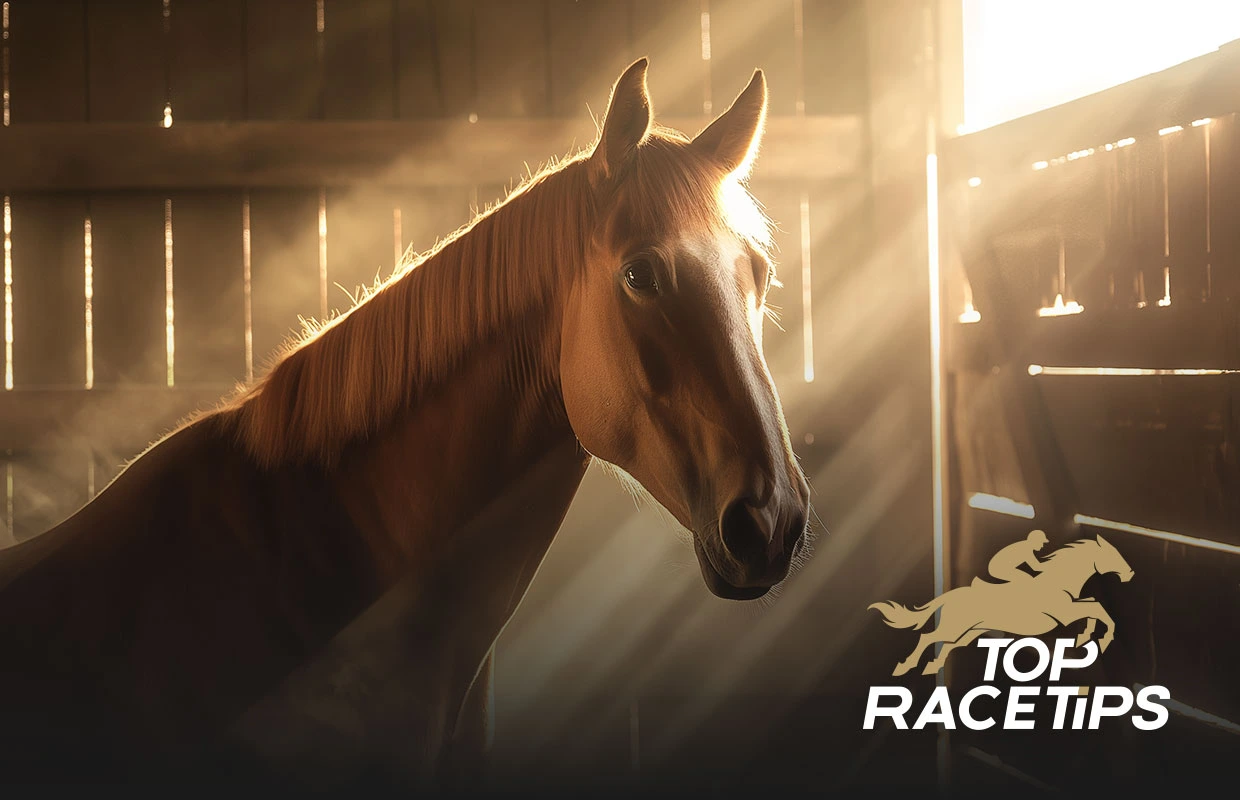
Bloodstock Racing: Guide to Breeding & Racing Horses

Bloodstock​‍​‌‍​‍‌ racing is a very significant segment of the horse racing world. It is all about breeding horses that are quick, powerful, and great competitors. Beginners may find bloodstock racing a bit complicated at first, but after they get to know the basics, it actually becomes quite simple to follow. This guide explains bloodstock racing in clear and simple language, making it easy for anyone to understand.

What​‍​‌‍​‍‌ Is Bloodstock Racing?

Bloodstock racing means the horses that are bred specifically for racing. These horses are mostly thoroughbreds, bred with the goal of speed, stamina, and overall performance in mind. In simple terms, bloodstock racing is the combination of horse breeding and racing success. A racehorse's quality is largely determined by its bloodline, which is the main reason why breeding has such a masterpiece in the world of sports.

Furthermore, bloodstock is a term used to describe the purchase and sale of racehorses. A considerable number of owners rely on bloodstock agents who are professionals and help buy or sell horses according to pedigree, physical conformation, and racing potential.

The Origins of Bloodstock Racing

Bloodstock racing has its origins in the 17th century. All modern thoroughbred racehorses can be traced back to three foundation stallions. The stallions were imported to Britain and then bred with local mares that were used to get faster, stronger horses. At the end of the breeding experiment, the thoroughbred breed was created, which is now the main breed in horse racing.

Because of this shared history, bloodlines remain extremely important in bloodstock racing. Even now, trainers and breeders thoroughly examine the pedigrees to estimate a horse's future performance on the ‍​‌‍​‍‌racetrack.

How Breeding Works in Bloodstock Racing

Breeding is central to bloodstock racing. The female horse, or mare, generally produces only one foal each year. The pregnancy in horses lasts about 11 months, even though it can be a bit more or less. Breeders make their plans carefully to have foals born around January 1.

In the racing industry, all thoroughbreds are officially assigned the same birth date, January 1, regardless of their actual birth date. This practice is to ensure fairness in competition. Since foals born earlier in the year have more time to grow and train, they may have an advantage.

Bloodstock Racing Terms You Should Know

Here are some simple definitions of bloodstock terms to help you understand the topic:

People talk about horses using these terms when they make sales, breeding plans, or discuss ‍​‌‍​‍‌races.

When​‍​‌‍​‍‌ Horses Start Their Careers

Usually, horses are four or five years old when they start their breeding or racing careers. Before that, they are trained gradually to get stronger and more confident. Young horses go through a strict program to ensure that they grow up healthy, both physically and mentally.

Yearlings are frequently sold at auctions, where buyers focus on their pedigrees, conformation, and movement. These sales essentially comprise the bloodstock racing and sometimes involve very large sums of money.

Why Bloodstock Racing Matters

Bloodstock racing determines the future of horse racing. Superior pedigrees result in more exciting races, healthier horses, and higher performance. The breeding choices of today can have a significant effect on race outcomes even years later.

For fans and bettors, getting to know bloodstock racing through the sport brings in a whole new dimension. Understanding a horse's genetic background can help predict its performance over particular distances or track ‍​‌‍​‍‌conditions.

Conclusion

Bloodstock racing is more than just breeding horses. It is a careful balance of history, science, and skill. From selecting the right parents to training young horses, every step matters. For beginners, learning about bloodstock racing opens the door to a deeper appreciation of the sport.

With this knowledge, watching races becomes more exciting, informed, and rewarding. Bloodstock racing truly is the foundation of horse racing success.

FAQS

What​‍​‌‍​‍‌ is bloodstock racing?

Bloodstock racing refers to the breeding and racing of horses, mainly thoroughbreds, and usually focuses on characteristics such as speed, stamina, and overall performance.

Why is bloodstock racing important?

It identifies the top-quality racehorses, influences the next races, and assists trainers and bettors in making performance predictions.

What are the key bloodstock terms beginners should know?

Some of the typical words are stallion (sire), mare (dam), foal, yearling, colt, and filly. These relate to a horse’s age, gender, and breeding role.

How does bloodstock racing affect horse sales?

Pedigree and conformation are the two main features used by bloodstock agents and auctions to buy and sell horses, and these can influence the market value and racing potential of the ‍​‌‍​‍‌horses.

What Are Mustang Horses Known For?

Mustang horses possess strength, intelligence, and a profound association with the American past. Besides their beauty, these horses are survivors. They can be found freely roaming the western states of the USA, mustangs being hardy, sure-footed, and full of spirit. Their wild origin influences everything about them, from their muscular bodies to their sharp minds.

A Native American Horse

Mustangs are mostly recognized as a native American horse, but their story is quite old. The ancestors of the horses were Spanish horses that the European explorers brought to North America. Eventually, some of these horses escaped or were released and began to live in the wild. As the country moved west, mustangs faced extreme lands, harsh weather, and insufficient food. This hard way of living made them tough and resilient.

There are still wild mustangs today, and they are protected by American law. At the time when their population was very high, careful management now helps to protect both the land and the horses.

Known for Strength and Hardiness

Mustang horses have long been recognized for their endurance and strength. They can live off the land in desert areas with very little grass and remain in good condition. Their bodies are small and muscular; most of them are within 14 to 15 hands tall and weigh about 800 pounds. Such a physique gives them the advantage of easily navigating rocky paths and uneven ground.

Mustang horses also possess very tough hooves. A good number of them can manage well without horseshoes, which is a rare feature in most other horse breeds. Trail riding and ranch work are thus their greatest assets.

Intelligent and Alert

Mustangs are highly intelligent. They're living in the wilderness, which constantly challenges them to come up with quick decisions and be on the lookout. This kind of behavior might sometimes be mistaken for them being overly wary or nervous, especially if they have rarely interacted with humans. On the other hand, when they are handled with patience and trained in the correct way, mustangs can be smooth, faithful, and loving companions.

Thanks to their smart minds, they, in most cases, pick up on new things quickly after they are made to feel secure. A lot of riders have commented that not only do mustangs get attached to their riders, but they are also able to remember training lessons very well.

Versatile and Athletic

The versatility of mustangs is another reason why they are famous. They are capable of various types of work and not only one. After training, mustangs could do well in trail riding, ranch work, as well as dressage and eventing. Their average running speed is between 35 and 50 miles per hour, so they are really fast.

As they are very surefooted, their value goes up especially if you take them on long rides or rough trails where your balance and confidence will count the most.

Wide Range of Colors

There is a vast array of colors and patterns in the mustang coat. Bay and chestnut are the usual colors, but you can also spot black, grey, palomino, roan, and pinto mustangs. Some have even stripes or spots. Their diversity is a significant factor in their attractiveness, and it makes each mustang unique.

Easy Keepers with Simple Needs

Mustangs are easy keepers since they are naturally adapted to limited and poor-quality food. They can survive even on a diet of merely grass and hay. The fact is that too much of a rich pasture might cause weight problems. Owners may have to monitor the diet of their horses to prevent obesity or founder problems.

Regarding grooming, the requirements are quite low. A usual brushing and regular hoof care are mostly sufficient to keep a mustang healthy and comfortable.

Temperament and Training

Mustang temperaments range widely. For instance, some are quite calm and friendly, whereas others can be more tense and nervous at first. Directly wild horses adopted from the range need time, groundwork, and trust before they can be handled properly. Once they are used to the people, these horses can become great companions for a ride.

Most trained mustangs can be handled even by beginners; however, in the case of untrained ones, it is advisable to have horse experience or hire a professional trainer for help.

Why People Love Mustangs

So, what are mustang horses known for? Actually, it is their survival skills, smartness, and good-natured personalities that make them stand out. Wild horses symbolize not only freedom, but also strength and the ability to adapt to different environments. If a rider is looking for a strong bond, a versatile mount, and a horse with a great past, then the mustang horse is the perfect choice.

FAQS

What are mustang horses known for?

Mustang horses are famous for their strength, hardiness, intelligence, and the ability to live in harsh environments.

Are mustang horses good for riding?

Yes, trained Mustang horses make great riding horses and are even preferred for trail riding and ranch work.

Why are mustang horses considered hardy?

Mustang horses are considered hardy because they live and evolved in the wild, grow strong hooves, and are used to limited food and harsh terrains.

Horses Under 14.2 Hands: A Simple Guide

Different types of horses vary in body shape and size. Some are tall and powerful, while others are smaller and more manageable. Usually, horses under14.2 hands are considered to be of small size and are referred to as ponies.

A hand is a measurement unit by which horses are measured. One hand represents 4 inches. The height of a horse that is 14.2 hands tall at the shoulder is 58 inches. If the horse's height is below this number, then it belongs to the under-14.2-hands category.

What Are Horses Under 14.2 Hands?

Horses under 14.2 hands are mature animals. They are not young ones. They are smaller in size. According to most riding rules and breed guides, these animals are called ponies due to their size.

These small horses are strong anyway. A great number of them can carry an adult, pull a cart, or work on the farm. Their size is basically advantageous when it comes to riding and taking care of them, especially for children and ‍​‌‍​‍‌beginners.

Why​‍​‌‍​‍‌ Are They Called Ponies?

The term pony is mostly related to height. A horse that measures less than 14.2 hands is generally referred to as a pony. Ponies also tend to have short, thick necks, strong legs, and wide bodies. They are built to be tough.

There are just a few small horses that are still called horses because of their history. This reveals that height is a key factor, but in addition to that, breed rules also play a role.

Common Types of Small Horses

Quite a few well-known breeds have an average height that is under 14.2 hands. These breeds have been the favorite for riding, lessons, and family use.

Shetland ponies are extremely small, yet they possess a lot of power. They can be a perfect choice for children. Welsh ponies, which are a bit taller, are famous for their smooth riding experience. Connemara ponies are gentle, intelligent, and good, as they are suitable for both kids and adults. The Highland and Dales ponies are strong and steady, commonly used for work and riding.

These small horse breeds prove that small horses are capable of performing various tasks.

Why Size Is Important

If a rider is aware of the horse's height, it will be easier for them to make the right choice. Small horses are less intimidating and easier to handle. They usually consume less food and therefore require less feed. Besides that, they will also need a smaller size for the gear. This will lead to lower overall care expenses.

In horse racing competitions, the size limits are set to ensure the fairness of the contests. Riders who have ponies will be competing with those who have ponies, too. It makes the competition level even as well as increases the safety ‍​‌‍​‍‌factor.

Conclusion

Horses under 14.2 hands are probably small, but they are quite capable and dependable. They have strength, intelligence, and are very friendly. If you're a family, a beginner rider, or anyone who is simply comfortable with a smaller horse, then these horses will be a perfect pick for you.

Size does not limit ability. In many cases, smaller horses prove that big strength can come in small packages.

FAQS

What​‍​‌‍​‍‌ does horses under 14.2 hands mean?

Horses under 14.2 hands means that these horses are fully grown, but their height is less than 58 inches at the shoulder. Because of their small size, they are normally referred to as ponies.

Are horses under 14.2 hands good for beginners?

Yes, horses under 14.2 hands are considered to be quite manageable. Their smaller size makes them particularly suitable for beginners and children who are learning to ride.

Are horses under 14.2 hands weaker than bigger horses?

No, horses under 14.2 hands are stronger than bigger ones. They are very much capable and strong. For example, many of them can easily carry adults, pull carts, and work on farms without any ‍​‌‍​‍‌difficulty.

Which horse is best for a race?

Horse racing enthusiasts often ask: Which horse is best for a race? Suppose you are watching a big race and the crowd is cheering as the horses are flying by. You may be asking yourself: is the brown strong horse or the skinny white horse the fastest? They are not just lucky- a lot of their speed would relate to their breed and their build. Some horses are built like sprinters; others are built like marathon runners. There are several horse breeds that would be considered track champions. Some of the most notable racing horse breeds are the Thoroughbred, Quarter Horse, Arabian, and Standardbred.

Top Racing Horse Breeds

Thoroughbred

This breed is often dubbed the best racing horse on the planet. Thoroughbreds are bred for both speed and stamina. They are agile, quick, and have 'large' hearts and lean bodies that allow them to run long distances. Horses like Secretariat and Zenyatta were all world-renowned thoroughbreds. Thoroughbreds are usually quite good at classic long races, such as the Kentucky Derby.

Quarter Horse

With the race itself being a quarter of a mile, the quarter horse breed is the king of sprinting. Quarter horses have big musculature and can run extremely fast over short distances. They can hit about 55 mph when they turn on the gas. If the race is a sprint or very short, quarter horses usually win.

Arabian

One of the oldest breeds, Arabians has extreme endurance, which makes them perfect for long races. They have built-in stamina. Stamina here means that they can continue running and running and not tire out as easily as other, lesser breeds. The Arabian's body (high lung capacity and strong legs) makes it perfect for endurance racing that lasts for miles.

Standardbred

These horses excel in harness racing (racing with a cart attached). Standardbreds are incredibly hardy and train well. They can win pacing and trotting races. A Standardbred cannot win a flat track race against a Thoroughbred, but there is not a harness race that a Standardbred will not win.

Other Breeds

Some fast breeds can also race. There are even some faster breeds like Appaloosas or Andalusians. Andalusians seem to be sturdy and quick. However, there are not a lot of those breeds in top race events.

Race Type Matters

In the end, Thoroughbreds usually dominate the racetrack. Thoroughbreds get speed and endurance which is ideal for most types of horse racings. But the “best” horse depends on the race type involved. Quarter Horses win the sprint, Arabians shine in very long races, and Standardbreds win at harness races. For instance, in a very short sprint, there is none quicker than a Quarter Horse. 

In a marathon run, an Arabian will come out on top based on its endurance. Only runners win famous races like the Kentucky Derby. Yes, the horse, rider, trainer, and all the things that you might think matters, do. But as far as the horse's breed, it at least gives the horse a head start. However, if a horse is injured, poorly trained, or does not have an experienced rider, it cannot win even if it is the right breed.

Conclusion

So, which horse is best for racing? It depends on what kind of race. Thoroughbreds are the kings of long-distance flat races. Quarter Horses are better at sprints. Arabians own the long-distance endurance runs and Standardbreds rule the roost when it comes to harness racing. Picking the best breed of horse is not about luck, but about finding the correct breed to fit the race. This is how champions are made.

FAQS

Which horse is best for race events like the Kentucky Derby?

Thoroughbreds are the best horse for races like the Kentucky Derby because Thoroughbreds consistently produce the right speed, stamina, and balance for long-distance sprinting.

Can Quarter Horses beat Thoroughbreds? 

Yes, Quarter Horses are faster than Thoroughbreds in short-distance sprinting but only a short distance! Quarter Horses can hit speeds as high as 55 mph.

Why are Arabians used for long-distance racing? 

Arabian horses have incredible amounts of tread on their tires. They run on lung capacity quite literally and are built for endurance racing, aka marathon racing.

Can any breed compete in professional horse racing?

There are lots of horses that can race, but professional horse races feature Thoroughbreds, Quarter Horses, Arabians, or Standardbreds based on the race type.

How Much Does a Racehorse Weigh?

When you see a horse race or go through some of the replays, you might be amazed by how fast and strong that horse may be. But have you taken a moment to think: how much does a racehorse weigh? Their weight is not just a fun fact, but is a key factor in how they train, race, and stay healthy.

Let’s break it down in simple words.

The Average Weight of a Racehorse

The average racehorse weighs in the range of 900 to 1,200 pounds (400 to 550 kg). This means they are comparatively lighter than most horse breeds, some of which can exceed 1,500 pounds (680 kg).

Why? Racehorses such as Thoroughbreds are built for speed and endurance. They have thin bodies, long legs and lean muscles. If they were overweight, they would not be able to get around the track quickly when they need to.

Consider them as professional athletes, and every pound matters.

Why Does Weight Matter in Horse Racing?

Weight can affect speed, strength, and endurance. If it is lighter, a horse can run faster, but it must still be strong enough to support the jockey and keep its balance.

In horse racing, careful control of weight occurs:

So the next time you see a horse cruising down the racetrack, don't forget, it’s not just about how strong it is, but also how much weight it’s carrying.

How Do Racehorses Compare to Other Horses? 

Different breeds of horses have different weights.

This demonstrates that racehorses are one of the lighter horse breeds, which helps explain their speed. Although a draft horse may look huge, it wouldn't be able to sprint.

Do All Racehorses Weigh the Same?

No, horses, like people, vary in weight according to their age, breed, and build.

In general, most racehorses will weigh an average of 900–1,200 lbs.

How Do Trainers Manage a Horse’s Weight?

Ensuring proper weight training is a major contributor to racing opportunities. Diet, exercise, and health are all important contributors.

A horse that is too heavy runs the risk of tiring quickly in unclear/unknown amounts of time. A horse that is underweight equally, a risk of lacking strength. Balance has everything to do with it.

Conclusion

So, how much do racehorses weigh? Most race horses weigh between 900 to 1,200 pounds, making them lighter and leaner than many other types of horses. Weight is strictly monitored by trainers because it has a direct impact on speed, stamina, and health.

The next time you watch a race, keep in mind that every pound matters on the track, from the horse’s body to the saddle and the jockey. Everyone is working together to balance speed, strength, and weight.

FAQS

How much does an average racehorse weigh?

An average racehorse weighs between 900 and 1200 pounds (400 quite a bit upward to 550kg). That's lighter than other breeds of horses, which allows them to run faster and have longer stamina on the track. 

What value does a racehorse’s weight serve in measuring success on the track?

Weight affects speed, balance and endurance in the racehorse. We know the lighter the horse a jockey rides, ensures speed, but the horse still has to be strong enough to carry the jockey and still be in enough balance while running. A trainer has to carefully manage diet and exercise to ensure proper weight.

Are all racehorses the same weight?

No, not all racehorses are the same weight. Weight varies by age, sex, breed, diet and conditioning. The general range for a Thoroughbred racehorse would be 900 pounds to 1200 pounds, but they can be lighter or heavier.

How does a trainer manage weight on their racehorse?

The trainer manages weight using a balanced diet, exercise, and a weight record. Racehorses have specific measurements in portions of hay, rationed grains and supplements to keep a lean, strong horse. A horse is slow if it has too much weight, but a horse also loses strength below its optimal weight.

The Dubai World Cup 2025: A Grand Celebration of Racing, Style, and Culture

When you think of elegance, excitement, and top sportsmanship wrapped into one big event, only one name comes to mind: The Dubai World Cup. It’s more than just a horse race; it’s a celebration. Every year, thousands of fans, celebrities, and sports lovers come together in Dubai for this spectacular event.

In 2025, the Dubai World Cup 2025 promises to be even more exciting. It features fast horses, skilled jockeys, and stylish crowds under the bright lights of Meydan. With thrilling races, fashionable outfits, and dazzling entertainment, this event unites the world for an unforgettable day.

Whether you love sports or just enjoy big events, you won’t want to miss the Dubai World Cup 2025.

Meydan Racecourse: Where Racing Meets Luxury

Meydan Racecourse is one of the most famous racecourses in the world. It’s not just a place to watch races; it’s a luxurious spot designed for comfort and style.

Meydan covers over a mile and can hold more than 60,000 fans. But it offers more than just numbers. The venue includes a five-star hotel, top-notch restaurants, and a rooftop with stunning views of the Dubai skyline.

With its beautiful green tracks and impressive facilities, Meydan is the perfect setting for one of the richest horse racing events globally. In 2025, the venue will introduce even more features to enhance the fan experience.

Dubai World Cup 2025: Dates, Events & Expectations

Save the date! The Dubai World Cup 2025 is scheduled for Saturday, April 5th, 2025, at Meydan Racecourse. It will be a full day of exciting races, stylish fashion, and world-class performances.

There will be ten thrilling races, culminating with the main race around sunset for a magical view of the Dubai skyline. In 2025, expect digital features like mobile-only entry, interactive race guides, and real-time updates.

This is not just about horses—it's a multisensory experience built for fans of every kind.

Meet the Stars: Horses, Jockeys & Trainers

The Dubai World Cup 2025 entries will feature top-tier racehorses and jockeys from the U.S., Japan, Europe, and the UAE. Past champions like Thunder Snow and California Chrome left their mark here, and 2025 will crown the next global stars.

Jockeys, trainers, and owners train for months in various conditions to bring their best to Dubai. Look for icons like Frankie Dettori and rising international talents.

Prize Money That Makes Headlines

The Dubai World Cup 2025 offers an astounding USD 30.5 million in total prize money, with the main event carrying USD 12 million. This makes it one of the most lucrative days in global horse racing.

The generous rewards attract elite stables, world-famous trainers, and top jockeys—all eager to compete on one of the sport’s most prestigious stages.

Fashion on the Field: More Than Just Horse Racing

At the Dubai World Cup, fashion is as thrilling as the races. From designer dresses and bold hats to tailored suits and high-end watches, it’s like a red-carpet event.

In 2025, expect a focus on sustainable fashion with eco-friendly materials and innovative styles dominating the Style Stakes.

Celebrity Guests and Entertainment

Past entertainers include Jennifer Lopez and Janet Jackson, and for 2025, rumors suggest a star-studded lineup featuring global acts and local talent.

With food stalls, pop-up lounges, and themed experiences, the Dubai World Cup 2025 is as much a cultural celebration as it is a sporting one.

Behind the Track – Organizers, Sponsors, and Security

Led by His Highness Sheikh Mohammed bin Rashid Al Maktoum, the Dubai Racing Club ensures that every detail of the Dubai World Cup 2025 runs smoothly.

Major sponsors from industries like finance, automotive, and luxury hospitality support the event. Advanced safety measures—including facial recognition and smart ID gates—ensure peace of mind for every attendee.

Global Impact – More Than a Day at the Races

The Dubai World Cup drives significant tourism and business to Dubai. Visitors from over 50 countries attend, boosting hotels, restaurants, and shopping.

The event supports local businesses too, through artisan booths, fashion pop-ups, and food trucks.

What to Expect at Dubai World Cup 2025

As you enter Meydan Racecourse, you’re welcomed with red carpets, luxury, and technology. Enjoy gourmet food courts, AR experiences, fashion showcases, and of course, heart-racing action on the tracks.

The highlight? A sunset main event followed by fireworks and a live concert.

How to Watch: Tickets, Travel, and Online Options

Tickets

You can buy Dubai World Cup 2025 tickets from the Dubai Racing Club website or authorized vendors. Options include:

Book early—Dubai World Cup 2025 tickets sell out fast.

🎟 Ticket Price List for Dubai World Cup 2025

If you're searching for the Dubai World Cup 2025 dates, tickets, and price list, you're in the right place. Below is a breakdown to help you plan your experience:

Prices may vary depending on demand and location.

Travel

Dubai is easily accessible via Dubai International Airport (DXB). Meydan is about 20 minutes away by taxi or shuttle. For convenience, book nearby hotels like The Meydan Hotel.

Watch Online

If you can't attend in person, you can still enjoy the event online with live streams, expert commentary, and behind-the-scenes videos on official channels.

Eco and Tech: Going Green & High-Tech in 2025

The Dubai World Cup 2025 takes responsibility seriously. This year’s focus includes:

These steps aim to make the 2025 event both luxurious and sustainable.

Past to Present: The Dubai World Cup Through the Years

From Cigar’s victory in 1996 to the latest champions, the Dubai World Cup has seen legendary races, show-stopping fashion, and global headlines. Despite setbacks like 2020’s cancellation, the event keeps evolving with better tech, bigger acts, and unforgettable moments.

Future of the Dubai World Cup: What Lies Ahead?

Looking beyond 2025, Dubai plans to expand the event into a full weekend festival featuring:

The Dubai World Cup is set to become even more iconic in the years to come.

Conclusion

The Dubai World Cup 2025 is more than a horse race—it’s a cultural celebration. With thrilling races, red carpet fashion, entertainment, and a luxurious atmosphere, it’s one of the must-see events of the year.

Whether you're attending in person or watching online, April 5, 2025, promises to be a day of unforgettable elegance, speed, and spectacle.

FAQs

When and where is the Dubai World Cup 2025 happening?
It’s on Saturday, April 5, 2025, at Meydan Racecourse, Dubai.

How much is the prize money for the Dubai World Cup 2025?
Total prize money is USD 30.5 million, with USD 12 million for the main race.

How can I buy tickets for the Dubai World Cup 2025?
Purchase from the Dubai Racing Club website or authorized vendors. Options include general admission, VIP, and hospitality packages.

What is the Dubai World Cup 2025 ticket price list?
General Admission: AED 20–50 | Premium Areas: AED 300–600 | VIP: AED 2,500+ | Suites: From AED 10,000

Can I watch the Dubai World Cup 2025 online?
Yes, it will stream live on sports networks and official platforms with bonus content and replays.

What should I wear to the Dubai World Cup 2025?
Dress to impress! Think elegant dresses, stylish hats, tailored suits—and don’t forget the sustainable touch.

×